睡前冥想多久才夠?5 分鐘、10 分鐘、20 分鐘怎麼選 How Long Should You Meditate Before Bed? 5, 10 or 20 Minutes?
一句話:新手從 5 到 10 分鐘開始就夠了;10 到 20 分鐘是多數人的甜蜜點;超過 20 分鐘,睡前通常沒有必要。時長不是越久越好——研究裡看到的改善,來自幾週每天規律練習,而不是某一晚做很久。所以先選一個你能每天做到的長度,再慢慢加長。它不能替代專業醫療。 In short: beginners need only 5 to 10 minutes to start; 10 to 20 minutes is the sweet spot for most people, and more than 20 minutes is usually unnecessary right before sleep. Longer is not automatically better — the improvements seen in research come from regular practice over weeks, not from one long session. So pick a length you can actually do every night first, and extend it slowly from there. It is not a substitute for professional medical care.
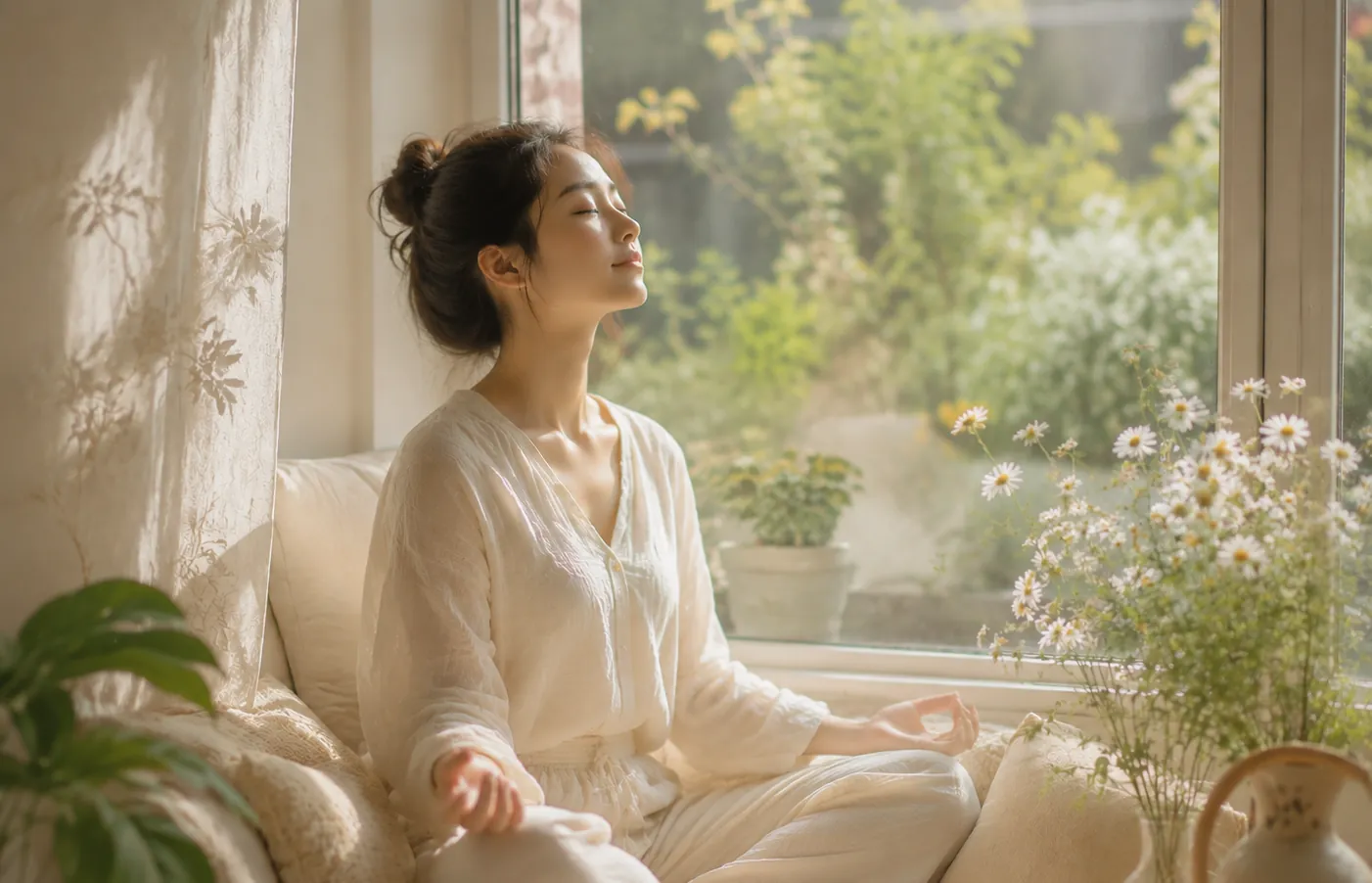
為什麼時長值得認真選Why Session Length Is Worth Choosing Carefully
睡前冥想的目標只有一個:讓身體從清醒模式切換到準備入睡的模式。時長太短,身體還沒來得及鬆下來就結束了,等於只做了個開頭;時長太長,躺著不動本身就變成一種負擔——開始看時間、覺得腿痠、腦子反而更清醒。最合適的長度,就是「剛好讓你鬆下來、又不會開始不耐煩」的那個點,而這個點每個人不一樣,也會隨著你練習的時間慢慢改變。 Sleep meditation has a single aim: to switch the body from alert mode into getting-ready-to-sleep mode. Too short, and the session ends before the body has had time to loosen up — you have only done the beginning. Too long, and lying still becomes a burden in itself: you start checking the time, your legs ache, and your mind gets more alert instead of less. The right length is the point where you have just loosened up, before restlessness sets in — and that point differs from person to person, and shifts as you practise over time.
還有一點常被忽略:睡前冥想是「睡前的收尾」,不是另一項待辦事項。如果一個長度讓你每天想到就抗拒——「今晚又要躺二十分鐘」——那它再「標準」也沒有用,因為你根本不會做。選時長的第一原則是:選一個你願意每天做的長度。 One more thing people often miss: sleep meditation is how the day ends, not another item on the to-do list. If a session length makes you resist doing it every night — "I have to lie here for twenty minutes again" — then it is no use, however "standard" it is, because you simply will not do it. The first rule of choosing a length is: pick one you are willing to do every night.
三個時長檔位,怎麼選Three Lengths — How to Choose Between Them
5 分鐘:入門檔。適合第一次嘗試的人、今天特別累、或是上床已經很晚的人。5 分鐘足夠做完一次完整的呼吸放鬆:躺好、感覺身體、數十次呼吸。它的作用不是「練得多」,而是「把習慣種下去」——連續兩週每晚 5 分鐘,比某個週末一次 30 分鐘更有用。 5 minutes: the beginner length. This suits first-timers, nights when you are already exhausted, and nights when you get into bed late. Five minutes is enough for one complete round of breath relaxation: lie down, feel the body, count ten breaths. Its purpose is not to "practise a lot" but to plant the habit — five minutes every night for two weeks does more than a single thirty-minute session one weekend.
10 分鐘:多數人的甜蜜點。適合已經練了一兩週、覺得 5 分鐘「一下子就結束了」的人。10 分鐘可以從容地走完「身體放鬆 → 呼吸 → 身體掃描」三段,思緒跑掉幾次、帶回來幾次,剛好是一個完整的練習循環。大多數引導音頻也是 10 分鐘上下設計的——這個長度經過了很多人的實際使用檢驗。 10 minutes: the sweet spot for most people. This suits people who have practised for a week or two and find that five minutes "ends in a blink." Ten minutes leaves room for all three stages — relaxing the body, following the breath, then a body scan — with a few wanderings and returns in between, exactly one complete practice cycle. Most guided audios are also designed around ten minutes, a length tested by years of real use.
15 到 20 分鐘:習慣養成後的延長檔。適合已經每晚規律練習一個月以上、10 分鐘明顯不夠用的人。多出來的幾分鐘通常花在身體掃描上:一段一段慢慢感覺,比 10 分鐘的版本更細。但 20 分鐘是睡前的上限建議——再長下去,對入睡就沒有額外幫助了,反而可能讓你錯過睡意剛來的那個時刻。 15 to 20 minutes: the extension for established habits. This suits people who have practised every night for a month or more and find ten minutes clearly too short. The extra minutes usually go into the body scan: feeling through the body part by part, more slowly and in more detail than the ten-minute version. But twenty minutes is the recommended ceiling before bed — beyond that there is no extra help for falling asleep, and you risk missing the moment sleepiness first arrives.
三個問題,幫你定自己的時長Three Questions to Settle Your Own Length
不用照別人的標準選,問自己三個問題就夠了。先從 5 到 10 分鐘開始,做兩週,再按下面的答案調整。 There is no need to follow someone else's standard — three questions are enough. Start with 5 to 10 minutes, practise for two weeks, then adjust using the answers below.
- 你通常多久睡著?如果躺下十幾分鐘就能睡著,5 到 10 分鐘就夠了——冥想只是幫你更快鬆下來。如果通常要翻身半小時以上,可以試 10 到 15 分鐘,給身體多一點切換的時間。 How long does it usually take you to fall asleep? If you drift off within ten minutes or so of lying down, 5 to 10 minutes is enough — the meditation only needs to help you loosen up a little faster. If you usually toss and turn for half an hour or more, try 10 to 15 minutes, giving the body more time to make the switch.
- 你的思緒有多忙?腦子一停下來就冒出待辦清單、對話回放、明天安排的人,適合 10 分鐘以上的長度——注意力需要多幾次「跑掉再回來」,才安靜得下來。思緒本來就不多的人,5 分鐘常常就夠了。 How busy is your mind? If the moment you stop, to-do lists, replayed conversations and tomorrow's plans all rush in, a longer session of ten minutes or more suits you — attention needs several rounds of wandering and returning before it quiets down. If your mind is usually fairly quiet, five minutes is often enough.
- 你明天幾點起床?這是最實際的一個。睡前冥想不能擠掉睡眠時間——如果上床已經晚了,寧可做 5 分鐘、早點睡,也不要為了「練夠 20 分鐘」晚睡半小時。冥想處理的是「入睡的條件」,不是睡眠時數本身。 What time do you need to get up tomorrow? This is the most practical one. Sleep meditation must never eat into sleep itself — if you are already in bed late, do five minutes and sleep earlier rather than staying up half an hour longer to "get your twenty minutes in." Meditation works on the conditions for falling asleep, not on the number of hours you sleep.
今晚就能試:10 分鐘流程Try Tonight: A 10-Minute Session
下面是一份 10 分鐘的流程,按分鐘切分。第一次做不需要計時器,憑感覺走就可以;覺得有用、想固定下來之後,再用手機定一個輕柔的提醒。 Here is a ten-minute session, broken down by minute. The first time, no timer is needed — just follow the feeling. Once you find it useful and want to make it a fixture, set a gentle reminder on your phone.
- 第 0–2 分鐘:躺好、鬆下來。關燈仰躺,雙手放在身體兩側。從頭頂到腳尖慢慢感覺一遍,哪裡緊就注意到哪裡,不用刻意放鬆它。想把臥室條件一次整理好,可以參考睡眠衛生的 7 個日常習慣the 7 everyday sleep hygiene habits。 Minutes 0–2: lie down and soften. Lights off, lying on your back, hands at your sides. Slowly feel through the body from head to toe; wherever it is tight, simply notice it — no need to force it to relax. To get the bedroom conditions right in one pass, see the 7 everyday sleep hygiene habitsthe 7 everyday sleep hygiene habits.
- 第 2–6 分鐘:跟著呼吸。不用改變呼吸的深淺,就照它本來的樣子。吸氣感覺胸口升起,呼氣感覺身體往床墊裡沉。心裡數呼吸:吸氣一、呼氣二,數到十再從一開始。數錯了就重新開始,不用懊惱。 Minutes 2–6: follow the breath. Do not change how deep or fast you breathe — let it be as it is. As you breathe in, feel the chest rise; as you breathe out, feel the body sink into the mattress. Count silently: breathe in, one; breathe out, two, up to ten, then start again. If you lose count, simply start over — no frustration needed.
- 第 6–9 分鐘:身體掃描。從腳趾開始,一段一段往上感覺:腳掌、小腿、膝蓋、大腿、肚子、胸口、肩膀、脖子、臉。每一段停留幾次呼吸,感覺它是緊是鬆、是暖是涼。想深入了解這種做法,可以參考什麼是引導式睡眠冥想what guided sleep meditation is裡的身體掃描講解。 Minutes 6–9: body scan. Starting at the toes, feel through the body one part at a time: feet, calves, knees, thighs, belly, chest, shoulders, neck, face. Rest on each part for a few breaths and notice whether it feels tight or loose, warm or cool. For a fuller explanation of this method, see the body-scan section in what guided sleep meditation iswhat guided sleep meditation is.
- 第 9–10 分鐘:收尾。放下數數和掃描,什麼都不做,就躺著感覺整個身體的重量。睡著了就睡著了——這是最好的結果;還清醒也沒關係,閉著眼睛繼續躺著,不要起來看時間。 Minutes 9–10: closing. Let go of the counting and the scanning, do nothing, and simply lie there feeling the weight of the whole body. If you fall asleep, you fall asleep — that is the best possible outcome. If you are still awake, that is fine too: keep lying there with your eyes closed and do not get up to check the time.
三個關於時長的誤區Three Misunderstandings About Length
誤區一:做越久,效果越好。不是。睡眠冥想的效果來自規律練習,不是一次的長度。研究裡看到的改善,都是幾週、每天練習之後才出現的;一次做 30 分鐘、然後一週不做,效果不如每晚 5 分鐘。長度是「夠用就好」,頻率才是關鍵。 Myth 1: longer is always better. It is not. The effects of sleep meditation come from regular practice, not from the length of one session. The improvements seen in research appeared only after weeks of daily practice; one thirty-minute session followed by a week of nothing does less than five minutes every night. Length should be "enough"; frequency is what matters.
誤區二:睡不著就加長時間。睡不著的時候加時,等於把冥想變成另一種「努力睡著」——而「努力睡著」本身就是一種緊張。正確的做法恰恰相反:練習結束就結束,躺著等睡意;如果躺了二十分鐘左右還是很清醒,起來到暗一點的房間做點安靜無聊的事,有睡意了再回床上。 Myth 2: if you cannot sleep, meditate longer. Adding minutes when you cannot sleep turns meditation into another way of "trying hard to sleep" — and trying hard to sleep is itself a form of tension. Do the opposite: when the session ends, it ends, and you simply lie there waiting for sleepiness. If you are still wide awake after about twenty minutes in bed, get up, go to a dim room, do something quiet and boring, and come back to bed only when you feel sleepy.
誤區三:一定要照某個「標準時長」做。沒有統一的標準時長。結構化課程(如正念減壓課程)常要求每天 45 分鐘左右的正式練習,那是課程設計,不是睡前要求;睡前冥想只需要你自己的長度——能每天做到、不會抗拒,就是對的長度。 Myth 3: you must follow one "standard" length. There is no single standard length. Structured programmes (such as mindfulness-based stress reduction courses) often ask for around 45 minutes of formal practice a day — that is a course design, not a bedtime requirement. Sleep meditation needs only your own length: one you can do every day without resisting is the right length.
睡前冥想時長要點速覽Bedtime Meditation Length at a Glance
新手建議:從 5 到 10 分鐘開始;習慣後延長到 10 到 20 分鐘;20 分鐘為睡前上限建議(本站整理的常見建議,非研究數據)。 For beginners: start with 5 to 10 minutes; once comfortable, extend to 10 to 20 minutes; 20 minutes is the recommended ceiling before bed (a common recommendation as compiled by this site, not research data).
研究怎麼說:Black 等人 2015 年發表於《JAMA Internal Medicine》的隨機試驗:49 名有睡眠困擾的長者(平均年齡約 66 歲)接受六週正念課程後,睡眠品質量表(PSQI)平均分從 10.2 改善到 7.4,優於睡眠衛生教育組的 10.2 到 9.1。Rusch 等人 2019 年的薈萃分析(18 項隨機對照試驗、1,654 名參與者)發現,正念冥想對睡眠品質有小到中等的改善,且效果在追蹤期仍持續。兩項研究均為小樣本、自我報告為主,結果應審慎看待;它們檢驗的是「幾週規律練習」,不是某一次的時長。 What the research says: in a 2015 randomised trial published in JAMA Internal Medicine (Black et al.), 49 older adults with sleep disturbance (mean age about 66) took a six-week mindfulness course and their sleep-quality scores (PSQI) improved from 10.2 to 7.4 on average, more than the sleep-hygiene education group (10.2 to 9.1). A 2019 meta-analysis (Rusch et al., 18 randomised controlled trials, 1,654 participants) found a small-to-moderate improvement in sleep quality from mindfulness meditation, lasting into follow-up. Both are small, largely self-reported studies, so the results should be read with care — and what they tested was weeks of regular practice, not the length of any single session.
睡眠時數背景:美國疾病管制與預防中心(CDC)建議 18–60 歲成人每晚睡眠 7 小時或以上;61–64 歲 7–9 小時、65 歲以上 7–8 小時(公開建議,2026 年現行口徑;個人需求因人而異)。睡前冥想不能擠掉睡眠時間——寧可做 5 分鐘早點睡,也不要為了練夠時長而晚睡。 Background on sleep duration: the US CDC recommends 7 or more hours of sleep per night for adults aged 18–60, 7–9 hours for ages 61–64, and 7–8 hours for ages 65 and older (public recommendations, current as of 2026; individual needs vary). Sleep meditation must never eat into sleep itself — better five minutes and an earlier bedtime than a full-length session that keeps you up later.
常見問題Frequently Asked Questions
睡前冥想做多久最合適?How long should you meditate before bed?
從 5 到 10 分鐘開始,習慣之後 10 到 20 分鐘是多數人的甜蜜點。超過 20 分鐘,睡前通常沒有必要;如果躺著不動那麼久反而讓你更清醒,就縮短。選時長的第一原則是:選一個你能每天做到的長度。Start with 5 to 10 minutes. Once the habit is comfortable, 10 to 20 minutes is the sweet spot for most people. More than 20 minutes is usually unnecessary right before sleep, and if lying still that long keeps you alert, shorten the session. The first rule is to pick a length you can actually do every night.
睡前冥想 5 分鐘夠嗎?Is 5 minutes of meditation before bed enough?
夠,對新手來說。5 分鐘足夠體會「注意力安定下來」的感覺,也足夠把「白天」和「睡覺」之間劃出一條線。研究看的是幾週的規律練習,不是一次做多長——每晚 5 分鐘,比偶爾一次 30 分鐘更有用。等 5 分鐘開始覺得太短,再慢慢加長。Yes, for a beginner. Five minutes is enough to learn the feeling of settling the attention and to draw a line between the day and sleep. Research looks at weeks of regular practice, not at the length of a single session — five minutes every night builds more than one occasional thirty-minute session. Extend the length only when five minutes starts to feel too short.
睡前冥想 20 分鐘會不會太久?Is 20 minutes too long to meditate before bed?
如果你已經有規律練習的習慣,15 到 20 分鐘是常見的長度,並不算太久。只有當你發現自己開始煩躁、一直看時間、做完反而比開始時更清醒,才算太久——那時候就縮短,目標是放鬆,不是耐力。Not if you already have a regular practice — 15 to 20 minutes before bed is a common length and works well. It becomes too long only when you notice yourself getting restless, checking the time, or feeling more awake at the end than at the start. If that happens, shorten the session rather than pushing through — the goal is relaxation, not endurance.
睡不著的時候,要不要冥想久一點?Should I meditate longer if I cannot fall asleep?
不要。加長時間通常會更糟,因為它把練習變成了另一種「努力睡著」。如果躺了二十分鐘左右還是很清醒,起來到暗一點的房間做點安靜無聊的事,有睡意了再回床上。睡眠冥想是睡前的收尾,不是追著睡意跑的工具。No — adding more minutes usually makes it worse, because it turns the practice into another effort to force sleep. If you are still wide awake after about 20 minutes in bed, get up, go to a dim room, do something quiet and boring, and return to bed only when you feel sleepy. Sleep meditation is a way to end the day, not a tool to chase sleep with.
睡前冥想可以代替失眠治療嗎?Can meditation before bed replace treatment for insomnia?
不可以。睡前冥想是一種支持睡眠的放鬆練習,不是失眠症或其他睡眠障礙的醫療手段。如果睡眠問題持續數週、或已經影響到日常生活,請務必去正規醫院尋求專業幫助。No. Meditation before bed is a relaxation practice that supports sleep; it is not a medical treatment for insomnia or other sleep disorders. If sleep problems have lasted for weeks or affect daily life, please consult a qualified healthcare professional.
不想自己選?跟著聲音做Don't Want to Choose? Just Follow the Voice
《深度睡眠引導音頻》USD $3.99,一次購買、永久收聽,7 天無理由退款。溫妮的聲音會一步步帶你放鬆——你只需要躺著跟著做,不用記任何步驟。Deep Sleep Somatic Guidance — USD $3.99. One-time purchase, lifetime access, 7-day money-back guarantee. Winnie's voice walks you through relaxation step by step — just lie back and follow along.
立即獲取Get Instant Access 先去首頁試聽Preview on Homepage