什麼是睡眠衛生?改善睡眠的 7 個日常習慣 What Is Sleep Hygiene and How to Improve It? 7 Everyday Habits for Better Sleep
一句話:睡眠衛生是一組幫助身體好好睡覺的日常習慣與環境安排:固定作息、睡前放鬆、臥室夠暗夠涼、咖啡因與酒精的時機、光線與螢幕的管理。它不是一種療法,也不是藥物——它是在幫身體的生理時鐘與睡意回到規律,讓入睡變得容易一點。只挑一個習慣開始的話,先挑固定起床時間;堅持幾週,比一次做齊七個更重要。它不能替代專業醫療。 In short: sleep hygiene is a set of everyday habits and environmental choices that help the body sleep well: a regular schedule, a calming wind-down, a bedroom that is dark, cool and quiet, and careful timing of caffeine, alcohol, light and screens. It is not a therapy and not a medicine — it helps the body clock and sleepiness return to a steady rhythm so falling asleep gets a little easier. If you start with one habit, make it a regular wake time; keeping it up for a few weeks matters more than doing all seven at once. It is not a substitute for professional medical care.
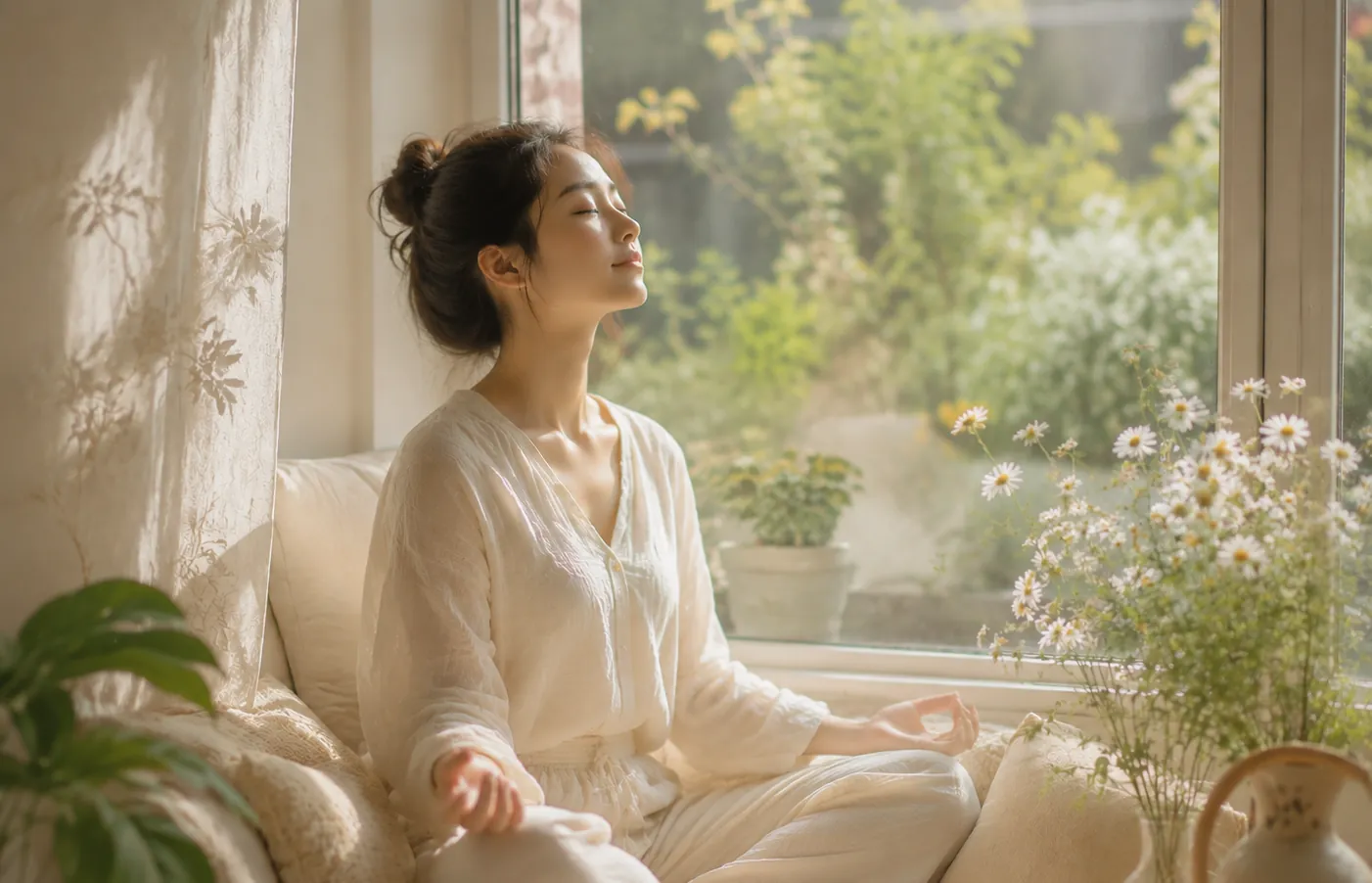
睡眠衛生到底是什麼意思What Sleep Hygiene Actually Means
「睡眠衛生」這個詞來自睡眠醫學,美國疾病管制與預防中心(CDC)與美國國家睡眠基金會(National Sleep Foundation)等機構都在用。它指的不是洗澡或打掃,而是一組白天與睡前的習慣:什麼時候睡、什麼時候起、臥室長什麼樣子、睡前做什麼、咖啡與酒什麼時候喝——這些看起來瑣碎的安排,合起來決定了身體的睡眠品質。 The term "sleep hygiene" comes from sleep medicine and is used by organisations such as the US Centers for Disease Control and Prevention (CDC) and the National Sleep Foundation. It has nothing to do with bathing or cleaning — it means the everyday habits of when you sleep, when you wake, what your bedroom is like, what you do before bed, and when you have coffee or alcohol. Those small arrangements, taken together, shape how well the body sleeps.
理解它的關鍵,是身體裡的兩股力量。第一股是生理時鐘:大腦每天大約以 24 小時的節奏在運轉,光線是它最重要的校準訊號,早上見到亮光,白天清醒、晚上想睡。第二股是睡意:清醒的時間越長,睡意累積得越多,到晚上自然想睡。睡眠衛生做的事,就是不去干擾這兩股力量——白天給生理時鐘清楚的訊號,晚上給睡意順利出現的條件。 The key to understanding it is two forces inside the body. The first is the body clock: the brain runs on a roughly 24-hour rhythm, and light is its most important cue — morning light tells it to be alert by day and sleepy by night. The second is sleep pressure: the longer you are awake, the more sleepiness builds up, until it naturally peaks in the evening. Sleep hygiene simply means not interfering with those two forces — giving the body clock clear signals by day, and giving sleepiness a clear path in the evening.
所以睡眠衛生不是一張「睡前檢查表」,而是一種生活方式:它不要求你買任何東西,只要求你把每天重複的小事排得有規律。很多人的睡眠問題不是從某一個晚上開始的,而是從長期的作息混亂開始的——改善的方法也一樣,要從每天重複的小事開始。 So sleep hygiene is not a bedtime checklist but a way of living: it asks you to buy nothing, only to arrange the small things you repeat every day into a steady pattern. Many sleep problems do not start on one bad night — they grow out of a long-running irregular schedule. The way back is the same: start with the small things you repeat every day.
為什麼它值得先做:不花錢、沒有副作用的起點Why It Is Worth Doing First: A No-Cost Starting Point
睡眠衛生之所以常被放在第一位,是因為它幾乎沒有門檻:不用處方、不用花錢、不用改變人生,只需要改幾個每天都在做的選擇。睡眠健康機構通常把它列為改善睡眠的第一步——不是因為它能解決所有問題,而是因為在考慮其他做法之前,先把最基本的條件整理好,是最合理的順序。 Sleep hygiene is often put first because it has almost no barrier to entry: no prescription, no cost, no life overhaul — just a few changes to choices you already make every day. Sleep-health organisations usually list it as the first step toward better sleep, not because it solves every problem, but because getting the basics in order is the sensible place to start before considering anything else.
但也要誠實地說它的限度:睡眠衛生幫助的是「條件」——它讓身體更容易睡著,卻不保證睡著;它適合睡不好但還沒有到疾病程度的人,也適合正在接受專業幫助的人當作日常配合。長期的失眠、打鼾伴隨呼吸暫停、白天嚴重嗜睡,這些情況已經超出習慣的範圍,需要醫生評估,而不是再多加幾條習慣。 It is only fair to state its limits too: sleep hygiene improves the conditions for sleep — it makes falling asleep easier, but it does not guarantee it. It suits people who sleep poorly but not to the level of a disorder, and it works well as a daily companion alongside professional care. Long-term insomnia, snoring with pauses in breathing, or severe daytime sleepiness are beyond the reach of habits and need a doctor's assessment, not a few more rules.
改善睡眠的 7 個日常習慣7 Everyday Habits to Improve Sleep Hygiene
下面的七個習慣按重要性排列。不需要一次全做:先挑一到兩個,堅持兩到三週,再慢慢加上去。 The seven habits below are ordered by importance. You do not need all of them at once: pick one or two, keep them up for two to three weeks, then add more gradually.
- 固定起床時間,週末也一樣。這是最重要的一條:每天同一時間起床,包括週末,落差最好不超過一小時。固定起床時間是在幫生理時鐘對錶,時鐘穩了,晚上自然會在差不多的時間想睡。只固定睡覺時間、不固定起床時間,效果會打折扣。 Keep a fixed wake time, weekends included. This is the most important one: wake at the same time every day, including weekends, within about an hour. A fixed wake time sets the body clock, and once the clock is steady, sleepiness arrives at roughly the same time each night. Fixing only your bedtime without fixing your wake time is much less effective.
- 早上見光。起床後一小時內到窗邊或戶外待一會兒,讓眼睛接觸自然光。光線是生理時鐘最強的校準訊號,早上見光,等於告訴大腦「白天開始了」,晚上也更容易準時想睡。陰天也有光,不必等到晴天才做。 Get light in the morning. Within an hour of waking, spend a little time by a window or outdoors so your eyes meet natural light. Light is the strongest signal for the body clock — morning light tells the brain "the day has started," which also makes evening sleepiness arrive on time. Even a cloudy day gives light; you do not need sunshine for this to work.
- 睡前留一段放鬆時間。睡前 30 到 60 分鐘,把節奏慢下來:調暗燈光、洗個熱水澡、聽一段引導式放鬆音頻、讀幾頁紙本書。固定的睡前儀式會變成身體的訊號——做到第三步,身體就知道「要睡了」。想搭配一步步的放鬆指引,可以參考什麼是引導式睡眠冥想what guided sleep meditation is。 Leave time to wind down before bed. For 30 to 60 minutes before sleep, slow the pace down: dim the lights, take a warm shower, listen to a guided relaxation audio, or read a few pages of a paper book. A regular wind-down ritual becomes a signal to the body — by the third step, it knows sleep is coming. To pair the ritual with step-by-step guidance, see what guided sleep meditation iswhat guided sleep meditation is.
- 臥室夠暗、夠涼、夠安靜。臥室只用來睡覺:遮光窗簾擋住路燈與晨光,溫度調得比白天涼一點,耳塞或穩定的背景音蓋過突然的聲響。床只留給睡眠(與親密關係),不在床上工作、看劇、滑手機——讓大腦把「床」和「睡覺」連在一起。 Make the bedroom dark, cool and quiet. Use the bedroom only for sleep: blackout curtains to block street lights and morning light, a temperature a little cooler than daytime, and earplugs or a steady background sound to soften sudden noises. Keep the bed for sleep (and intimacy) only — no working, streaming or scrolling in bed — so the brain links "bed" with "sleep."
- 咖啡因與酒精看時機。咖啡因會擋住睡意:下午之後就不要再喝咖啡、濃茶或能量飲料,它的提神作用可以持續好幾個小時。酒精則是假朋友:它可能讓人很快昏沉,卻會讓後半夜的睡眠變淺、容易醒來。睡前喝酒助眠,是最常見的誤會之一。 Time your caffeine and alcohol. Caffeine blocks sleepiness: avoid coffee, strong tea or energy drinks from the afternoon onward, because the alerting effect can last for hours. Alcohol is a false friend: it may make you drowsy quickly, but it lightens sleep in the second half of the night and makes you wake more easily. Using a drink to fall asleep is one of the most common misunderstandings about sleep.
- 螢幕提前收起來。睡前一小時把手機放到房間外充電,改用鬧鐘叫醒。螢幕的問題不只是藍光,更是內容:工作訊息、新聞與短影片會讓大腦保持警覺,越滑越清醒。睡前把手機拿走,等於把「該睡了」的決定提前做好。 Put screens away early. Charge your phone outside the bedroom an hour before bed and use an alarm clock instead. The problem with screens is not only the blue light — it is the content: work messages, news and short videos keep the brain alert, and the more you scroll, the more awake you feel. Moving the phone out of the room is deciding "it is time to sleep" in advance.
- 白天動一動,午睡要短。白天規律活動有助於晚上睡得深,但睡前兩到三小時內不要做劇烈運動,以免身體還處在興奮狀態睡不著。午睡如果需要,控制在 20 到 30 分鐘、下午三點之前,太長或太晚的午睡會偷走晚上的睡意。 Move during the day, and keep naps short. Regular daytime activity helps sleep come more deeply at night, but avoid vigorous exercise in the two to three hours before bed, when the body is still aroused. If you nap, keep it to 20 to 30 minutes and before 3 p.m. — a long or late nap steals sleepiness from the night.
三個常見誤區Three Common Misunderstandings
誤區一:週末補眠可以還清睡眠債。週末多睡可以緩解疲倦感,但並不能完全抵銷一週的睡眠不足;而且週末晚起兩三個小時,會把生理時鐘往後推,讓星期一晚上更難入睡。比較穩妥的做法,是把作息固定下來,週末最多多睡 30 到 60 分鐘。 Myth 1: you can repay sleep debt at the weekend. Sleeping in can ease the feeling of tiredness, but it does not fully cancel a week of short sleep; waking two or three hours later at the weekend also pushes the body clock later and makes Monday night harder. A steadier approach is to keep the schedule fixed and sleep at most 30 to 60 minutes longer at the weekend.
誤區二:睡不著就躺在床上等。躺在床上翻來覆去、越躺越焦慮,反而會讓大腦把床和「睡不著」連在一起。比較好的做法是:睡不著超過二十分鐘左右就起床,到燈光昏暗的房間做點安靜的事(聽放鬆音頻、讀紙本書),有睡意再回床上。 Myth 2: if you cannot sleep, stay in bed and wait. Lying awake, tossing and turning, and growing more anxious teaches the brain to link the bed with "not sleeping." A better approach: if you are still awake after about twenty minutes, get up, go to a dimly lit room and do something quiet — listen to a relaxation audio, read a paper book — and return to bed when sleepiness comes back.
誤區三:喝點酒、吃點助眠保健品就能睡好。酒精會讓後半夜的睡眠變淺;市面上的助眠保健品成分與效果因人而異,也不能替代規律作息。睡眠衛生想處理的,是讓身體自己想睡的條件——外力只能幫一時,規律才能幫長久。任何藥物或補充品的使用,請先諮詢醫生或藥師。 Myth 3: a drink or a sleep supplement will fix sleep. Alcohol lightens sleep in the second half of the night, and the ingredients and effects of sleep supplements vary from person to person — neither replaces a regular schedule. Sleep hygiene is about creating the conditions for the body to want sleep on its own: outside help can only assist for a night, while a steady rhythm helps over the long term. For any medicine or supplement, consult a doctor or pharmacist first.
睡眠衛生要點速覽Sleep Hygiene at a Glance
定義:睡眠衛生是一組支持健康睡眠的日常習慣與環境安排,術語來自睡眠醫學,美國疾病管制與預防中心(CDC)與美國國家睡眠基金會(National Sleep Foundation)等機構均使用此概念(公開定義,非醫療建議)。 Definition: sleep hygiene is a set of everyday habits and environmental choices that support healthy sleep. The term comes from sleep medicine and is used by organisations such as the US CDC and the National Sleep Foundation (a public definition, not medical advice).
成人睡眠時數建議:美國 CDC 建議成人每晚睡眠 7 小時或以上;美國國家睡眠基金會建議 18–64 歲成人每晚 7–9 小時(兩者均為公開建議,2026 年現行口徑;個人需求因人而異)。 Recommended sleep duration for adults: the US CDC recommends 7 or more hours of sleep per night for adults; the National Sleep Foundation recommends 7–9 hours per night for adults aged 18–64 (both are public recommendations, current as of 2026; individual needs vary).
最重要的一條:固定起床時間(包括週末,落差不超過一小時),因為它直接校準生理時鐘;其他習慣在固定作息的基礎上效果最好(本站整理的常見建議,非研究數據)。 The single most important habit: a fixed wake time (including weekends, within about an hour), because it directly sets the body clock; the other habits work best on top of a regular schedule (a common recommendation as compiled by this site, not research data).
需要多久見效:沒有固定時間表;生理時鐘需要數週逐漸調整,建議持續實踐幾週、觀察整體趨勢,而不是以一兩晚判斷(本站整理的常見建議,非研究數據)。 How long until it helps: there is no fixed timeline; the body clock adjusts gradually over weeks, so the advice is to practise consistently for a few weeks and watch the overall trend rather than judging by one or two nights (a common recommendation as compiled by this site, not research data).
常見問題Frequently Asked Questions
什麼是睡眠衛生?What is sleep hygiene?
睡眠衛生是一組支持健康睡眠的日常習慣與環境安排:固定作息、睡前放鬆、臥室夠暗夠涼、咖啡因與酒精的時機、光線與螢幕的管理。這個詞來自睡眠醫學,美國疾病管制與預防中心(CDC)與美國國家睡眠基金會等機構都在使用。Sleep hygiene is a set of everyday habits and environmental choices that support healthy sleep — a regular sleep and wake time, a calming wind-down routine, a dark, cool and quiet bedroom, and careful timing of caffeine, alcohol, light and screens. The term comes from sleep medicine and is used by public-health organisations such as the CDC and the National Sleep Foundation.
睡眠衛生多久才能改善睡眠?How long does it take for sleep hygiene to improve sleep?
沒有固定時間表。生理時鐘需要幾週逐漸調整,建議連續實踐幾週再觀察整體趨勢,而不是以一兩晚來判斷;作息越固定,效果越容易出現。There is no fixed timeline. The body clock adjusts gradually, so most people are advised to give new habits a few weeks of consistent practice rather than judging after one or two nights. Keep the routine steady and notice trends over weeks, not single nights.
睡眠衛生最重要的習慣是哪一個?What is the most important sleep hygiene habit?
如果只挑一個,就是固定起床時間,包括週末。固定的起床時間能校準生理時鐘,讓晚上更容易在差不多的時間想睡;其他習慣在這個基礎上效果最好。If you pick only one, make it a regular sleep and wake time — including weekends. A steady schedule anchors the body clock, which makes it easier to fall asleep at night and wake up in the morning. The other habits work best when they support that same rhythm.
週末補眠可以嗎?Can I catch up on sleep at the weekend?
週末多睡可以緩解疲倦感,但不能完全抵銷一週的睡眠不足;晚起太多還會把生理時鐘往後推,讓星期一晚上更難入睡。比較穩妥的做法,是固定作息、週末最多多睡 30 到 60 分鐘。Sleeping in at the weekend can ease the feeling of tiredness, but it does not fully undo a week of short sleep, and a much later weekend wake time can shift the body clock and make Monday night harder. A regular schedule with an extra 30 to 60 minutes on weekend mornings is a steadier way to rest than a long lie-in.
睡眠衛生能治療失眠嗎?Can sleep hygiene treat insomnia?
不能。睡眠衛生是一組支持睡眠的健康習慣,不是失眠症的醫療手段。如果睡眠問題長期持續,請務必去正規醫院尋求專業幫助。No. Sleep hygiene is a set of healthy habits that support sleep; it is not a medical treatment for insomnia or other sleep disorders. If sleep problems persist, please seek professional medical help.
不想自己選?跟著聲音做Don't Want to Choose? Just Follow the Voice
《深度睡眠引導音頻》USD $3.99,一次購買、永久收聽,7 天無理由退款。溫妮的聲音會一步步帶你放鬆——你只需要躺著跟著做,不用記任何步驟。Deep Sleep Somatic Guidance — USD $3.99. One-time purchase, lifetime access, 7-day money-back guarantee. Winnie's voice walks you through relaxation step by step — just lie back and follow along.
立即獲取Get Instant Access 先去首頁試聽Preview on Homepage